

When the Body Remembers
One of the first signs of healing is simple: you begin to feel safer inside yourself.
This week I am sharing a story about how trauma can live in the body and how healing sometimes begins in very small ways. One of my clients reminded me that when we learn to work with the nervous system through simple mind-body practices, the body can slowly rediscover a sense of safety.
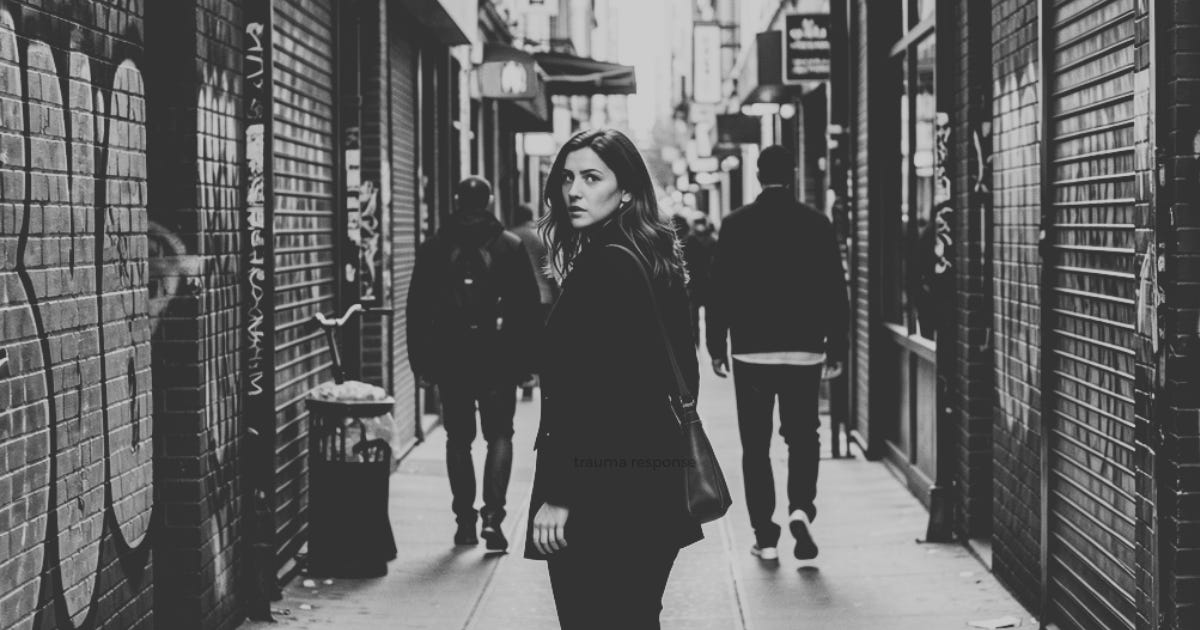
I was sitting with a client last week. I’ll call her Judith. She told me she had been reliving a trauma that happened decades ago. It had haunted her day to day for so long that it almost felt like a reflex.
Over time, the felt sense of the trauma had folded itself into her sense of self. After so many years it no longer felt like something that had happened to her. It felt like part of who she was.
A sound.
The shape of someone walking toward her.
Even a voice in the wrong tone.
Her body would react before her mind had time to think.
Judith said she thought understanding what had happened would end it. The person who hurt her had been punished. She had worked with a therapist she trusted.
She had even taken part in the Forgiveness Challenge created by Archbishop Desmond Tutu and felt she had sincerely forgiven both the person and herself, and yet something was still there, lurking.
Trauma rarely leaves in a neat and tidy way. It moves in waves. Sometimes it’s quiet for a long stretch of time. Then something small touches the memory, and the body reacts again.
That’s because trauma often lives in the body as much as in memory. It shows up in the nervous system, muscle tension, constant vigilance, and automatic reactions meant to keep us safe.
In a way, the body is trying to help. It’s remembering so we can avoid what once hurt us and move toward what feels safe.
When Healing Begins
Judith told me something had shifted for her ecently. She started noticing moments when her body relaxed all on its own.
Her stomach didn’t clench as quickly.
Sudden sounds didn’t trigger the same rush of alarm, the tingling on the back of her neck.
Her breathing slowed more easily.
She simply said it aloud. “I feel safer now inside myself.”
This is often one of the first signs of healing. Not perfection. Not the past disappearing. But the body is beginning to trust the present moment again.
When that happens, we start noticing things we could not see before.
The rhythm of breathing.
The sound of the birds outside the window.
A sense of steadiness in the ground under our feet.
Our nervous system is subtly shifting from constant defense into something closer to balance. Our body learns that not every moment is a threat.
Healthy connections with others start to feel possible again.
Judith is not completely free of the old reflexes. Healing rarely works like flipping a switch. But now, when a reaction starts, she recognizes it.
She pauses. Grounds herself. Breathes. Reminds her body that this moment is not the same as then.
At first those practices felt strange. Slowing down. Enjoying ordinary moments. Letting herself relax, but little by little, something changed.
She started seeing pops of color, life, and beauty in the world again.
When Trauma Stays Unresolved
When trauma stays active in the body, it can show up in so many ways:
Sudden waves of anxiety or fear
Irritability or anger that appears without warning
Numbness or emotional shutdown
People-pleasing or avoiding conflict
Difficulty concentrating
Exhaustion that never quite lifts
These reactions are not personal failures. They’re protective responses from a nervous system that once had to stay on high alert.
Learning to work with the body, not against it, can slowly shift those patterns.
That is the heart of the work I share through my mind-body stress reduction. workshops.
A Note About Trauma Support
I am not a trauma therapist, and I’m not presenting this work as a replacement for professional mental health care.
If you’re living with deep or unresolved trauma, working with a trained therapist or trauma specialist can be essential and incredibly supportive.
What I do share are practices that help people reconnect with their bodies and nervous systems in small, steady ways. Many of my clients find these tools complement the work they are already doing in therapy.
Reflection Prompts
When do you notice your body feels most relaxed or settled during the day?
What signals tell you that your body is moving into stress or vigilance?
Is there a place or activity where your body naturally feels safe?
What helps your nervous system settle after a stressful moment?
What would it feel like to trust your body as an ally rather than something you have to control?
Somatic Micro-Practices
Get Grounded
Notice your feet touching the floor. Press gently downward and feel the steadiness beneath you.
Orient to the Room
Slowly look around your environment and name three things you can see.
Connecting with your rhythm
Place a hand on your chest or belly and notice the rhythm of your breathing.
Lengthen the Exhale
Take a slow breath and let your exhale be slightly longer than your inhale. Simple? Yep. Effective? Yep too.
Shake Out the Stress
Gently shake your hands or shoulders for a few seconds to release tension. Dance, shake your booty!
Trauma may leave traces in the body, but the body also holds an incredible capacity to return to balance.
Sometimes healing begins not with a dramatic breakthrough but with a quiet moment when you realize your shoulders have softened, your breathing is steady, and for a little while you feel safe inside yourself. Let that feeling settle in.