

The Parts of Ourselves We Leave in the Shadows
Shadow work isn’t always about what’s wrong. Sometimes it’s about rediscovering what we’ve hidden from ourselves.
Most of us can point to a moment when we learned to tuck a part of ourselves away. Maybe we stopped speaking up because our opinions weren’t welcomed. Maybe we stopped trying because failure felt too painful. Maybe we learned that being helpful, quiet, agreeable, or invisible felt safer than taking a risk.
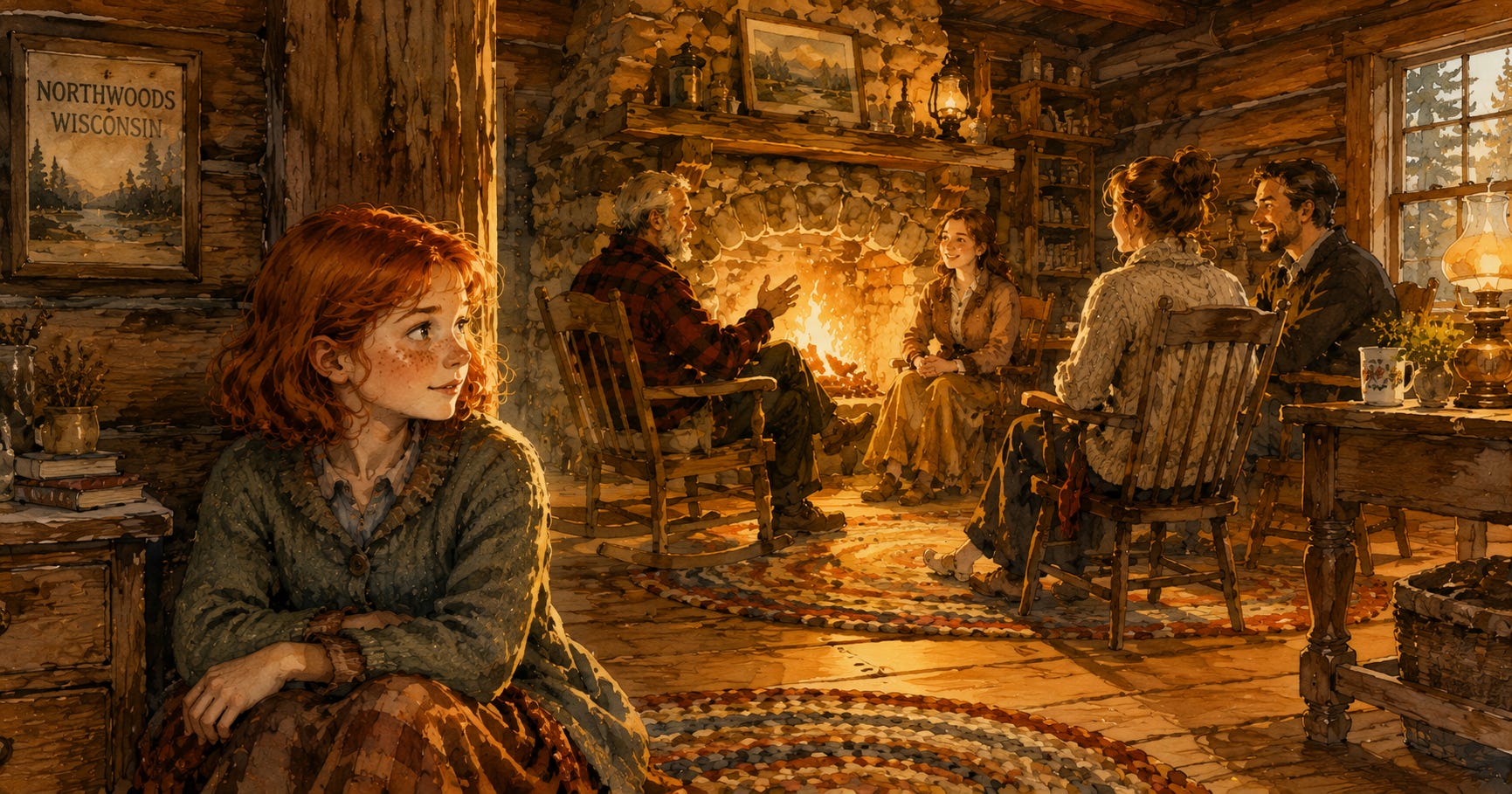
Over time those choices become habits, and then part of our identity. We forget they were choices at all.
What if some of the things holding us back today aren’t flaws or weaknesses, but parts of ourselves we’ve kept hidden for so long we’ve forgotten they exist?
When people talk about shadow work, they often focus on the difficult parts of ourselves. The anger, jealousy, fear, or insecurity we’d rather not admit are there.
I’ve come to think shadow work is about something else. Sometimes the shadow isn’t what we dislike about ourselves. Maybe it’s just the parts of ourselves we learned to hide.
I grew up at my parents’ fishing lodge in northern Wisconsin. We were taught that the guests came first. Always.
My siblings and I had chores. We cleaned rooms, did the landscaping, taught guests to fly fish, cleaned and cooked fish, helped guests find what they needed, and did whatever was necessary to keep things running smoothly. We were taught to be quiet, respectful and helpful. Many of the guests returned year after year and felt like extended family.
There was an unspoken expectation that shaped our childhood. Don’t be a problem. Don’t interrupt. Don’t draw attention to yourself. Work in the background. Be useful.
At the time, it felt perfectly normal. Looking back, I can see how deeply those lessons became part of who I was.
I became good at listening. Good at anticipating what other people needed. Good at helping.
What I didn’t learn was how to ask for what I needed. I didn’t learn how to take up space or speak up when something mattered to me.
For years I assumed that was simply my personality. Then, much later, through coaching, therapy, mindfulness, and a great deal of self-reflection, I started to see something different. What I thought was my personality was also a collection of habits and beliefs that had formed long ago.
The shadow wasn’t anger or selfishness. The shadow was the part of me that had quietly learned to disappear.
I noticed how often I deferred to others even when I disagreed. I stayed in the background when leadership needed more me. I hesitated to ask for what I needed because somewhere inside I still believed other people’s needs mattered more than my own.
Once I saw it, I couldn’t unsee it.
The shadow work wasn’t about blaming my parents. They were doing the best they could, running a business and raising a family. The work was understanding how those early experiences had shaped me and asking whether those old habits were still serving me.
Many of us carry these hidden patterns.
Maybe you were told not to get your hopes up, so you stopped trying for things you really wanted.
Maybe you were told not to show off, so you learned to shrink your accomplishments. Maybe someone convinced you that you weren’t smart enough, talented enough, athletic enough, or capable enough, and part of you quietly accepted that story as fact.
Years pass, and what began as a childhood adaptation starts to feel like the truth about who we are. That’s why shadow work matters. Not because we’re hunting for flaws or digging up painful memories just because.
Shadow work asks us to get curious about the parts of ourselves we’ve tucked away. It invites us to notice the beliefs we’ve inherited, the stories we’ve repeated, and the ways we’ve limited ourselves without realizing it.
Little by little, I learned to speak up. I learned to ask for what I needed. I learned that being direct didn’t make me selfish and that taking up space didn’t make me arrogant. In fact, becoming more visible made me a better manager, parent, partner, and friend.
What surprised me most was realizing that I didn’t need to get rid of that younger version of myself. She still had something to teach me.
That girl at the lodge learned how to listen. She learned empathy. She learned how to make people feel welcome and cared for. Those qualities became some of my greatest strengths.
The Shadow work wasn’t eliminating that part of me at all. Instead, it helped me understand that she mattered, too.
I still catch glimpses of those old patterns. I still find myself jumping up to bus a table in a restaurant before anyone asks. Some habits run deep. I still have an ingrained need to fix, even when not asked.
We might think growth means eliminating old patterns. It rarely works that way. The little girl who learned to stay in the background is still there. The difference is that she no longer gets the final vote.
Those old patterns never completely disappear. They’re simply not as big as they once were. I can see them now, smile at them, thank them for trying to help, and then choose something different.
Now I don’t see those habits as flaws anymore. They were adaptations. They helped me navigate the world I lived in. The challenge came when those same strategies followed me into busy kitchens, boardrooms, leadership roles, relationships, and parenthood, places where different skills were needed.
Nothing was broken. Something that was once useful had simply outlived its job description.
When we can see the parts of ourselves we’ve hidden in the shadows, we gain something precious: choice. We can decide which old stories still belong in our lives and which ones have outlived their usefulness.
Perhaps shadow work isn’t about fixing ourselves at all. Perhaps it’s about remembering ourselves.
I’m curious: What part of you has been waiting patiently in the shadows, hoping you’ll finally invite it back into the light?